Community Crews and the Work of Caring for a Forest
Restoration continues after planting day, when someone comes back to see how the trees are doing.
By Global Lemon, Editorial team ·
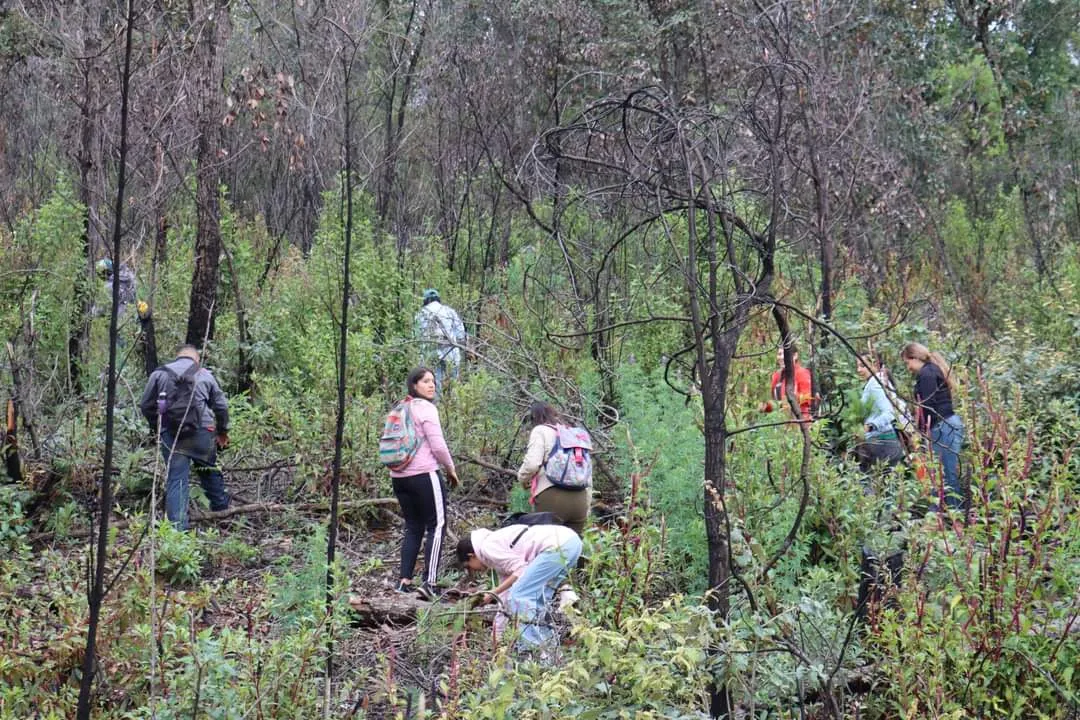
A photograph of a tree-planting day usually brings together shovels, smiles and newly planted trees. It makes a lovely picture. A few months later, another scene deserves our attention. Someone walks the site, finds a tree guard that has fallen over, checks a seedling and makes a note. There’s no ceremony. There’s work to do.
Community crews can keep up that care. They know the paths, seasons and places a visitor is only just learning to recognize. They need room to make decisions and learn, and a chance to be heard. Restoration goes better when the people who live on the land help shape the project from the outset and remain involved throughout. [1]
A schedule grounded in the work
Caring for a planting means planning visits around what the site needs. A crew might check for damage, maintain tree guards, spot erosion or identify plants that need closer inspection. Some things need attention right away. Others can wait. Observations and the technical plan should guide the work. It’s possible to work very hard and still miss the place that needs you most.
A useful schedule identifies who is responsible, which routes to cover and when to take action. It also leaves room for the rest of community life: sowing, harvesting, caring for family and resting. Expecting someone to be on call around the clock because they live near the forest stretches the meaning of “nearby” a little too far.
Local knowledge deserves a seat at the table
One person may know where water flows after a storm or which slope catches the most wind. Another knows which road becomes impassable during the rains. That knowledge belongs in project decisions alongside field data and technical advice. International restoration standards recommend bringing different kinds of knowledge together and making room for collaboration, training and long-term monitoring. [2]
Before finalizing a plan, ask a simple question: who knows this land and hasn’t been heard yet? The answer might change a route or a date. It’s also important to agree on what can be shared publicly and to seek consent before publishing participants’ photographs, names or knowledge. [2]
Caring for the people who do the work
Organizing the work means recognizing people’s time, effort and responsibility. Everyone should know the tasks, the agreed pay, the resources available and whom to contact about a problem. Enthusiasm helps a crew get started. Clear agreements help it keep going.
Working together beyond planting day
At Global Lemon, we work with municipal authorities and seek their support so community crews can be formed and paid fairly, even when the work is temporary. We want forest care to have clear responsibilities and resources, and for the people doing it to receive recognition for their work.
We also want young people to see a route into professional forestry: learning to recognize species, use tools safely, keep records and understand why each task matters. Training and opportunities to earn credentials build on field experience. A temporary job can be the start of a career. That takes support as well as a shovel.
Each task requires training, appropriate tools and safety measures. The International Labour Organization identifies training, equipment and planning for accident prevention as elements of safe forestry work. [3] In practice, a crew should know its route, have a way to stay in contact and know when adverse conditions mean work should stop. Nobody needs to get hurt to prove how much they care about a tree.
A notebook is a restoration tool, too
Date, location, plants checked, damage observed and action taken: a simple record can be worth more than an impressive binder nobody updates. Participatory monitoring helps people assess progress and learn from what went well and what went wrong. [4]
When reporting tree survival, explain what was counted, when and how. A photograph full of green is no substitute for those details. Returning to the same observation points and using the same categories on each visit makes comparisons easier. Results should go back to the community in a form people can discuss and use. [4]
Those of us who support restoration can ask a good question: who will come back when the excitement of planting day has passed? The answer should include people, agreements and resources for follow-up. A well-supported crew makes something visible that’s hard to photograph: dependability. A recovering forest owes a great deal to that habit of coming back.
Frequently asked questions
Why return after planting?
As trees become established, someone needs to check conditions, spot damage and carry out the work called for in the project plan. One planting day can’t cover all of that.
Can living near the forest replace training?
Local knowledge is essential. Training, safe working conditions, clear agreements and records that help people make decisions build on that knowledge.
About the author
Global Lemon Team. We share knowledge about forest conservation and restoration, drawing on field observations and the sources cited in this article.
Transparency statement
This article was prepared with the help of AI tools and reviewed by Global Lemon’s editorial team. Our account of Global Lemon’s work draws on information provided by Paúl Burgos. The references distinguish our field experience from research findings. This article is for information only. Decisions in the field require a site assessment.
References
- FAO. Community-based forestry. Sustainable Forest Management Toolbox module.
- Gann et al. International principles and standards for the practice of ecological restoration. Third edition, 2026.
- ILO. Code of practice on safety and health in forestry work, 2025.
- Evans and Guariguata. Success from the ground up. Participatory monitoring and forest restoration, 2016. FAO publication record.