Nurse Objects: Natural Tools for Ecological Restoration
What nature can teach us about restoring its balance.
By I. Morales, Biologist ·
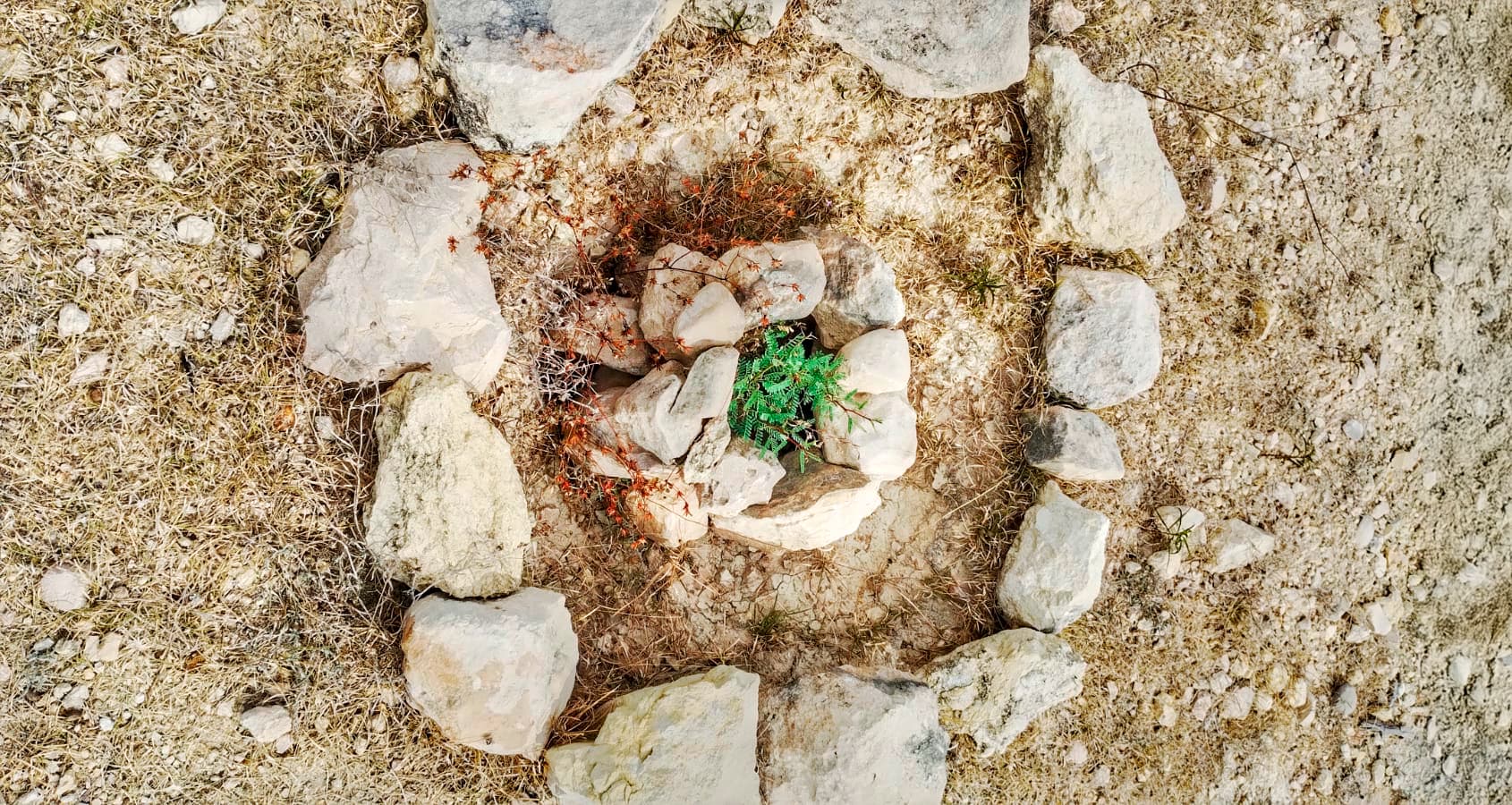
In all my years exploring ecosystems, I’ve learned that nature has wonderful ways of looking after its most vulnerable inhabitants. Several decades ago, while walking through an arid part of northern Mexico, I noticed how well some young mesquites were growing beside large rocks. That was no coincidence. Without knowing it, I was seeing a natural strategy at work: the use of “nurse objects.”
You may have heard of nurse plants. These well-established plants provide shade, moisture, and shelter for young seedlings. But what happens on badly degraded land where those trees are missing? This is where nurse objects come in. They’re a remarkably simple and effective resource.
What exactly are nurse objects?
I like to take my time explaining this, the way I do when I tell stories to my students. Picture yourself on a sunny afternoon, listening to the lesson in the shade of a broad old tree. A nurse object is a natural or human-made structure that protects young plants in much the same way a nurse plant does. A rock, a fallen log, or even a small polycarbonate structure can do the job. Take a large rock. Besides adding character to the landscape, it draws in moisture and holds it in its shade. That makes an ideal refuge for seeds and young trees that might otherwise have little chance of surviving, especially in extreme climates. I remember seeing young huizaches thriving alongside a fallen log in Oaxaca. It sheltered them like a protective arm against dry winds and hungry animals.
Small things that make a lasting difference
The benefits of nurse objects may sound modest, yet they can make an enormous difference to an ecosystem’s ability to regenerate.
- They retain soil moisture. By reducing exposure to direct sunlight, nurse objects create little pockets where seeds can germinate and seedlings can grow, even in harsh climates.
- They protect young plants from hungry animals. A few well-placed stones can save dozens of seedlings from rodents and other plant-eaters looking for an easy meal.
- They improve the local microclimate. Given time and patience, nurse objects can turn inhospitable patches of ground into small centers of life, increasing biodiversity and making the ecosystem more resilient overall.
A success story from the field
I remember my last project in an area where the soil was severely eroded. We decided to try using large rocks and old logs as nurse objects. What a joy it was to return a couple of years later and find young mesquites and huizaches flourishing beside them! Every time I go back, I feel deeply satisfied watching the land slowly regain its vitality. It’s a quiet lesson in hope, even in the most degraded landscapes.
If there’s one thing I’d like you to take away, it’s this: we shouldn’t underestimate the power of the simple, unassuming solutions nature itself offers us.
After all, when we restore the land, we also restore something in ourselves.
Put it into practice Sometimes life gives you lemons. When it offers neither lemons nor natural nurse plants, it’s time to look for rocks, find a log, or dream up a little shade for the new plant yourself. Restoring nature takes ingenuity, creativity, and a little humor, too.