Certified Forest Nurseries and Skilled Growers
The quality of a restoration project takes shape long before anyone digs the first hole.
By Global Lemon, Editorial team ·
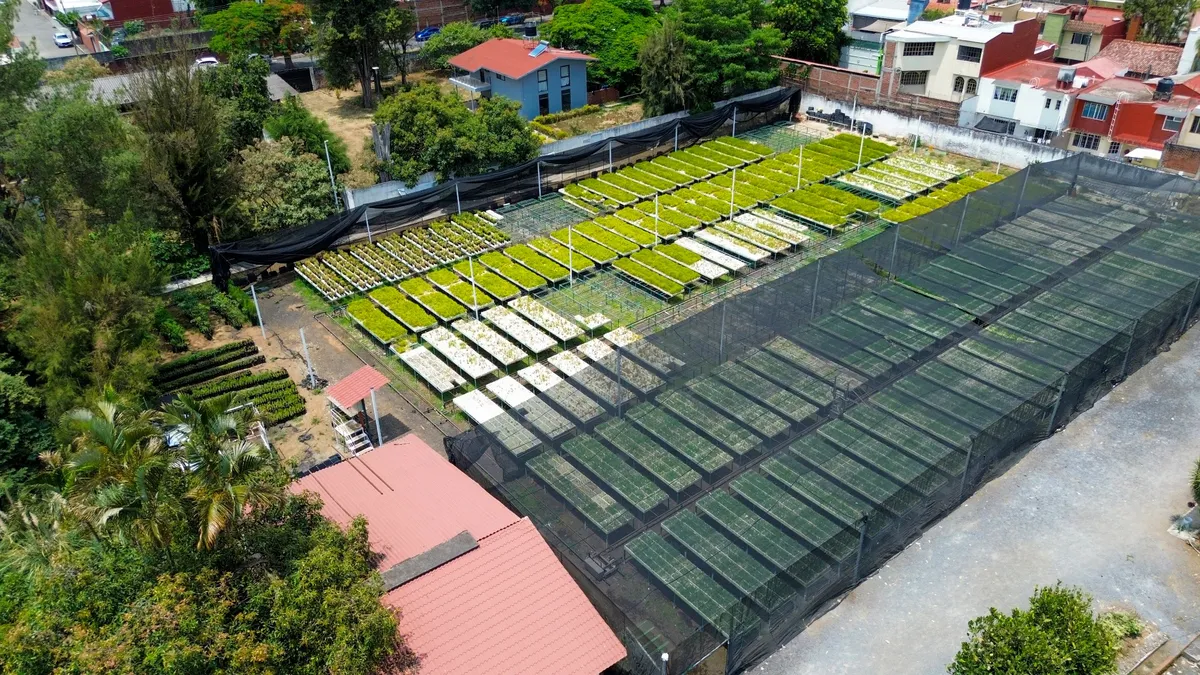
There’s more to a tree than good looks
Imagine a tree applying for a job on a restoration project. Its résumé reads, “I’m green, I have leaves and I look good in photographs.” Charming, but we need to know a bit more. What species is it? Where did it come from? Is it healthy and ready for the site where it will grow? Much of that story begins in the nursery, among seeds, roots and people who can read signs many of us would miss.
That is why working with certified nurseries and investing in the skills of the people who grow the trees deserve a central place in ecological restoration.
What does forest nursery certification cover?
Mexico’s NMX-AA-170-SCFI-2016 is a national standard currently in force for the certification of forest nursery operations. It sets out requirements and specifications for evaluating how a nursery operates and produces its planting stock. [1]
The standard covers infrastructure, production processes, records, irrigation, root quality and plant health, among other matters. It is voluntary, although a contract or program may require compliance. [2]
When choosing a supplier, ask to see the certificate. Check which facility it names, who issued it, what it covers and when it expires. Being listed in a registry or participating in a program confirms that particular status. Certification of nursery operations requires its own documentation. Similar names are easy to mix up.
Recognizing the people who grow the trees
The people are the other half of the story. Nursery staff make decisions about germination, growing media, irrigation, nutrition, damage prevention and getting seedlings ready to leave the nursery. They deserve opportunities to keep learning and to demonstrate what they know.
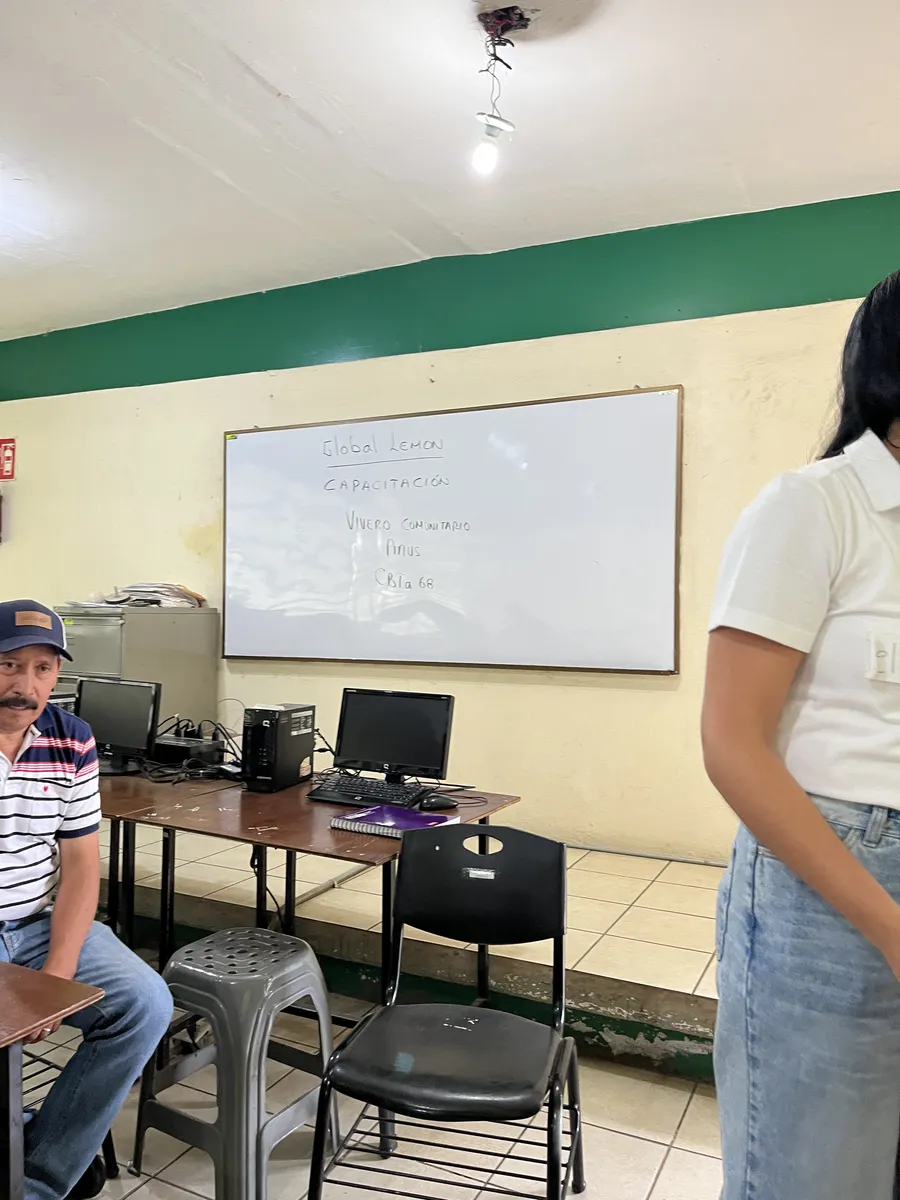
Mexico’s Sistema Nacional de Competencias, coordinated by CONOCER, certifies occupational skills through assessment. The first step is to find a standard in the RENEC registry that matches the work performed, then contact an authorized assessment provider. A course attendance certificate shows that someone attended. A skills certification documents the competencies that were assessed. [3]
Training also needs to reflect the trees people actually propagate. Growers need to recognize the species, understand their growth patterns and practice caring for them. Check which tasks a certification covers and address any gaps through documented training and technical assessment.
The tallest seedling doesn’t always win
A forest nursery is hardly a height contest. Assessing quality means looking at several traits and considering where the seedling will be planted. A study of Pinus douglasiana and Pinus devoniana found that the two species responded differently to fertilizer treatments and that different indicators were useful for assessing their quality. The practical lesson is to use criteria appropriate to each species. [4]
That knowledge helps us ask suppliers better questions. What characteristics are we looking for on this project? How do you check them? What gets recorded for each batch? The conversation can then move beyond how many trees are available.
Three things to check together
Three questions help guide the decision. Can we verify the nursery’s operating certification? Can its staff demonstrate the skills the work requires? Does the batch we will receive meet the specifications we agreed on? Checking all three connects the paperwork and the growers’ skills with the trees we will actually plant.
For Global Lemon, working this way also means looking after our relationship with the growers. We agree on what to expect, listen when things are difficult and share what we learn after planting. Feedback from the field can improve the next production cycle.
Caring for the people who tend the first shoots
A certificate provides evidence within a defined scope. Restoration also depends on sound decisions about sites, species, management and follow-up. Understanding what a certificate covers helps us describe its value honestly.
Every seedling represents someone’s time, attention and knowledge. Recognizing that work as a skilled profession gives growers their due and strengthens restoration projects. A future forest starts long before the planting-day photograph. It also starts with the person who knows when to water and when to pause and look.
Frequently asked questions
Does attending a course make a nursery worker certified?
An attendance certificate confirms participation in that course. Skills certification requires an assessment and specifies which competencies it covers.
Is a tall seedling always a high-quality seedling?
No. Several traits need to be assessed in relation to the species, the production system and the site where the seedling will be planted.
About the author
Global Lemon team. We share knowledge about forest conservation and restoration, drawing on field observations and the sources identified in the article.
Transparency statement
This article was prepared with support from AI tools and reviewed by Global Lemon’s editorial team. Field observations identified as our own come from information provided by Paúl Burgos. The references distinguish those experiences from research findings. This article is informational. Field decisions require a site assessment.
References
- Secretaría de Economía. Official catalog entry for NMX-AA-170-SCFI-2016, Certificación de la operación de viveros forestales (in force).
- Secretaría de Economía. NMX-AA-170-SCFI-2016. Official text of the Mexican standard, available from SEMARNAT.
- CONOCER. ¿Cómo certifico mis competencias?
- Bernaola Paucar et al. Calidad de planta en etapa de vivero de dos especies de pino en sistema Doble-Trasplante. Revista Mexicana de Ciencias Forestales, 7(33), 2016. Online record dated 2017.