Save the Planet? Let’s Rethink How We Live on It.
Why we need fewer heroes and a better understanding of the systems we live in.
By Mariana Segura, Master’s in Sustainable Development ·
How we approach the environmental crisis
When I started out in sustainability in 2013, studying for my master’s in sustainable development at Macquarie University, I realized just how many views there are on tackling the climate crisis. I’m still pleasantly surprised by the goodwill I encounter and by how much people want to do something. I also believe that how we approach a problem lays the groundwork for its solution.
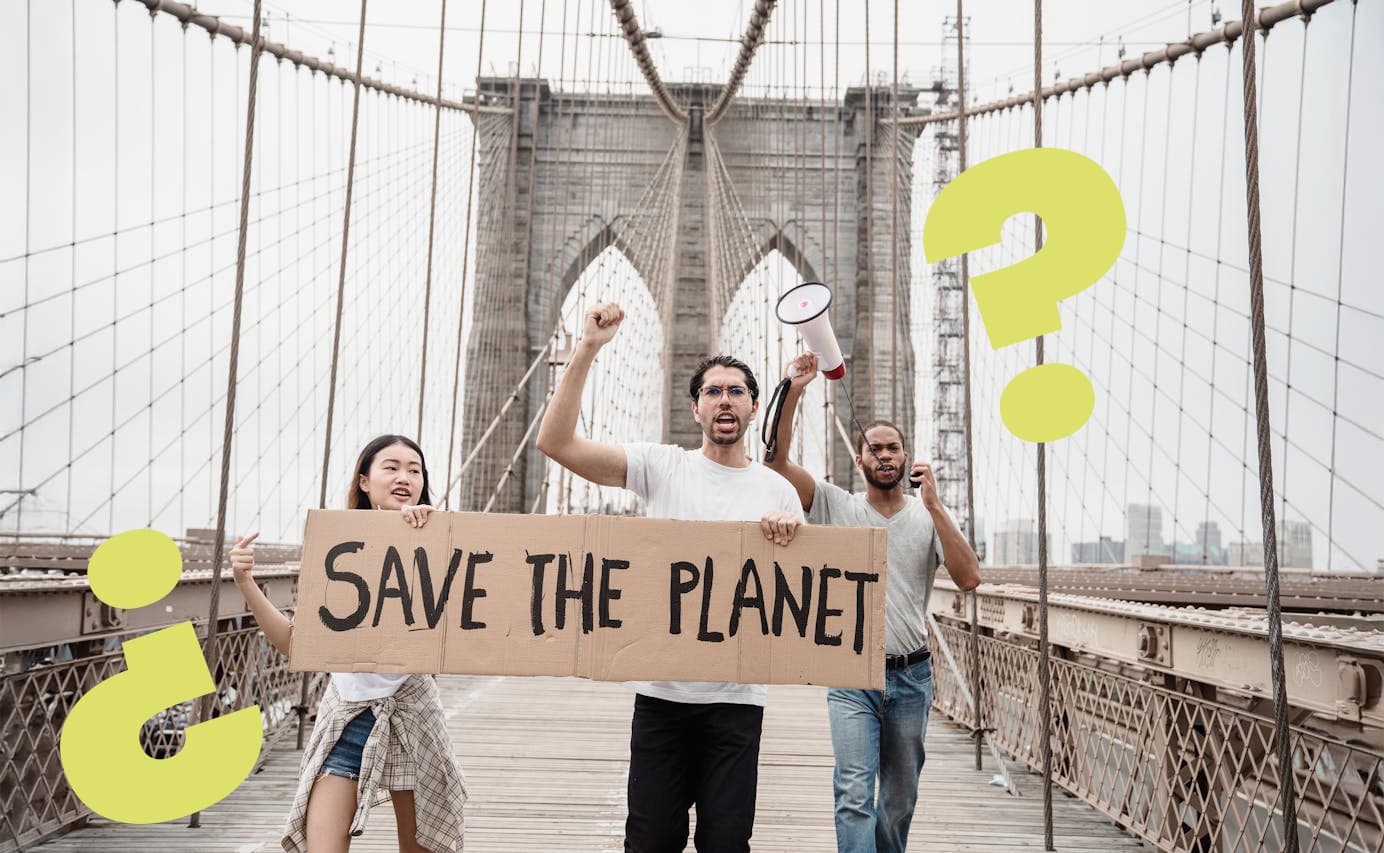
The idea of saving the planet
Over the years, I’ve watched a new crop of enthusiasts appear each year with the noble intention of “saving the planet.” Don’t get me wrong. I deeply admire their passion and energy. I do think it’s the wrong starting point for a subject this complex. I recently came across Jenny Price and her wonderfully provocative book, Stop Saving the Planet! And friends, I have to admit, she read my mind. I think she’s right.
When we think we must save “the planet,” we unconsciously put distance between ourselves and the environment. Here we are, the environment is somewhere over there, and the people doing nothing are farther away still. The planet becomes a damsel in distress, waiting for someone to ride to the rescue. Dear reader, that makes about as much sense as teaching a fish to swim. We’re part of the environment! Everything from the shirts we wear to the cars we drive comes directly from the world around us.
The limits of individual gestures
Price points out with disarming candor how absurd it is to feel heroic for recycling a bottle while overlooking the environmental consequences of our everyday lives, even the supposedly “green” choices like driving a hybrid.
I’ve heard people say, “What I do for the planet is give up meat,” or “I don’t use straws.” Some proudly announce that they’re saving the planet and wag an accusing finger if you don’t do the same. I can’t help smiling to myself. I admire the intention, but what about the tons of emissions and pollutants involved in making their car, the cement in their home, the battery in their phone or the toilet paper they use every day?
Changing how we produce and consume
That’s exactly what Jenny asks us to think about. If our environmentalism never calls into question the very way we produce and consume, how effective can it be?
“We don’t need heroic saviors,” Price insists, striking a gentle balance between criticism and wisdom. We need an environmental movement that fundamentally changes our economic and industrial systems so they can be genuinely sustainable and fair. We need to call out the companies making enormous profits from irreversible damage to our planet.
Learning to live on this planet
So the next time someone invites you to “save the planet,” you might give them a friendly smile and ask, “What if we made a real change in how we live on it?”
At the end of the day, we don’t need to save the planet. We need to learn to live on it with the humility and respect it deserves.
A thought to take away What matters is transforming our relationship with the planet. It will exist with or without us. We can’t exist without it.